
Whitefield Window Replacement: What to Expect

A window that sticks, lets in a draught or clouds up between the panes is more than a minor irritation. It can affect how warm a room feels, how secure your home is and how much you enjoy looking out of it. For homeowners planning Whitefield window replacement, the right answer is rarely just choosing the lowest headline price. It is choosing windows that suit the property, are measured properly and are fitted with care.
Whether you are replacing one failed unit or updating every window in the house, a clear survey and honest advice should come before any decision. The aim is to improve comfort, appearance and peace of mind without creating unnecessary work or unexpected costs.
When is window replacement the sensible option?
Some problems can be repaired. A faulty handle, hinge or lock may be replaced, and a sealed unit that has misted between the panes can often be changed without replacing the full frame. This can be a practical option where the existing frame is sound, secure and still looks right for the property.
Full replacement is usually worth considering when frames are warped, cracked, rotten, poorly fitted or repeatedly causing trouble. Persistent draughts, water ingress, difficult operation and noticeable outside noise can also point to a wider issue. Older double glazing may have reached the point where replacing the whole window offers better long-term value than carrying out separate repairs over time.
It depends on the condition of the window rather than its age alone. A proper inspection should identify whether repair, replacement glazing or a complete new window is the most sensible route.
Choosing the right replacement windows for your home
The best style is one that works with your home rather than fighting against it. In Whitefield and across Greater Manchester, properties range from traditional terraces and semis to newer family homes, each with different proportions, brickwork and practical needs.
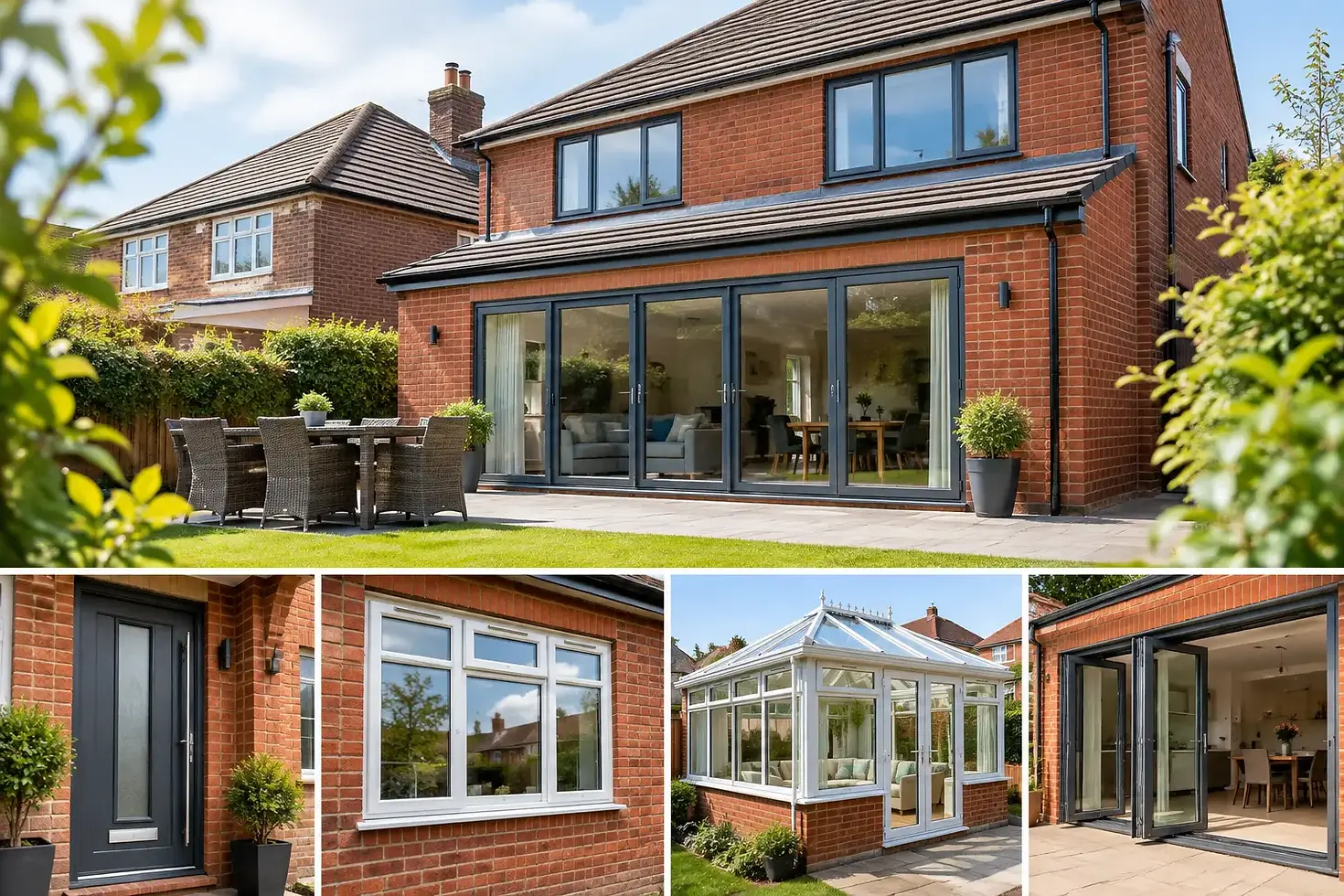
uPVC windows
uPVC remains a popular choice because it offers a clean finish, low maintenance and good thermal performance. It is available in a range of styles and colours, so it does not have to mean a plain white frame. Casement windows suit many homes, while flush designs can give a more understated, traditional look.
The important details are not always obvious from a brochure. Frame proportions, opening configuration, glazing choices and the finish around the reveal all influence the final result. A window should look balanced from both inside and outside, as well as being easy to use every day.
Aluminium windows
Aluminium can be a strong option where slimmer sightlines and a contemporary appearance are priorities. It is often chosen for larger openings or homes where the existing design calls for a more refined, modern frame. It can cost more than uPVC, so it is worth weighing the visual result and intended lifespan of the property against the budget available.
Sash and flush styles
For period-style homes, sash or flush windows can retain more of the property’s character while providing the benefits of modern glazing and secure hardware. The correct style matters here. A replacement that is technically efficient but visually out of place can alter the front of a house more than homeowners expect.
What affects the fitted cost of replacement windows?
A useful quotation should explain what is included, not simply give a single figure with little detail. The total cost can vary with the number and size of windows, frame material, opening style, glazing specification, access and the condition of the surrounding brickwork or timber.
Bay windows, shaped frames and upper-floor access can require more time and care than a straightforward ground-floor opening. Decorative glass, coloured finishes, acoustic glazing and special security features may also affect the price. None of these are automatically necessary, but they can be worthwhile where they solve a specific problem.
For example, a busy road may make acoustic glazing worth discussing. A chilly north-facing room may benefit from a glazing specification chosen for improved thermal comfort. A ground-floor rear window may call for particular attention to locking and hardware. Good advice is about matching the specification to the home, not adding extras for their own sake.
Be wary of a quote that is vague about removal, disposal, finishing work, trims or making good around the opening. Transparent pricing means understanding the scope before the work begins, including any issues that may only become visible once old frames are removed.
Why surveying matters more than a quick measurement
Replacement windows are made to suit the opening, which is why an accurate site survey is essential. A professional survey considers more than width and height. It checks the condition of the existing frames and lintels, the depth of the reveal, external cills, ventilation requirements, drainage and how each window will open in the room.
This is also the time to talk through practical choices. Do you need an opener above a kitchen worktop? Would a fire-escape opening make sense in an upstairs bedroom? Is a window likely to catch the wind when opened? These small decisions can make a big difference once the installation is complete.
For rented properties, landlords should also think about durability, security and straightforward operation for tenants. A hard-wearing, well-fitted window can reduce repeat maintenance calls and help keep the property comfortable.
Security, warmth and ventilation need to work together
Homeowners often focus on energy efficiency first, and rightly so. Well-fitted modern windows can help reduce draughts and improve the feel of rooms that are difficult to keep warm. But the window needs to be installed correctly for those benefits to be realised. Gaps around a frame, poor sealing or badly finished trims can undermine an otherwise good product.
Security should be considered as part of the complete window, too. Strong frames, suitable locks, properly fitted hinges and secure glazing all matter. Ask how the chosen window will be secured and whether the design is appropriate for its position in the house.
At the same time, a home still needs controlled ventilation. Keeping every opening tightly shut may reduce draughts, but it can contribute to condensation and stale air. The right approach depends on the room, the property’s existing ventilation and how the household uses the space. This is another reason a survey is more valuable than selecting a window online from dimensions alone.
What should happen during installation?
A well-planned installation should feel organised from the start. The fitting team should protect nearby areas, remove old frames carefully, prepare the opening and install the new window level and secure. Once in place, the frame is sealed, glazed where required and finished internally and externally.
Some dust and disruption are unavoidable when old frames come out, particularly where openings need repair or previous installations have left concealed problems. A straightforward installer will explain this in advance rather than pretending every job is identical.
Before the work is signed off, each opening should be checked for smooth operation, secure locking and a neat finish. You should also understand how to operate any trickle vents, restrictors or specialist hardware. Keep the paperwork provided with your installation, particularly information relating to registration, deposits and guarantees.
Choosing a local installer with confidence
Replacing windows is a significant home improvement, so trust is as important as the product itself. Look for clear communication, detailed quotations and evidence that the installer is properly registered and insured. Customer reviews can also be useful when they describe the experience of the work, not just the finished appearance.
Whitefield Windows & Doors is a family-run, CERTASS-registered installer serving Whitefield and surrounding Greater Manchester areas. Customers can ask about full insurance, deposit protection and insurance-backed guarantees alongside the practical details of their project. That clarity matters whether you are replacing a single window, upgrading a full house or dealing with failed glazing that needs attention.
The most useful next step is a conversation at your home, where the condition of the existing windows and your priorities can be assessed properly. Request a free tailored quotation and get clear advice on the replacement options that genuinely suit your property.


Comments