

When Door Glass Replacement Is the Right Choice

A cracked pane, misted double glazing or damaged decorative insert can make an otherwise sound door feel draughty, insecure and tired. Door glass replacement is often a practical alternative to replacing the whole door, provided the frame, hinges, locks and panels are still in good condition.
For homeowners and landlords, the right answer depends on what has failed and why. A smashed pane needs making safe quickly. A cloudy unit may be losing insulation but leave the door secure. If the door itself is warped, difficult to lock or letting in draughts around the frame, replacing only the glass may simply delay a larger job.
When door glass replacement makes sense
Replacing the glazed unit is usually worthwhile when the door structure is sound. This is common with uPVC, composite, aluminium, French and patio doors where a sealed unit has misted up, cracked or developed damage but the surrounding frame remains secure and square.
Misting between the panes is a familiar sign of a failed sealed unit. The perimeter seal has broken down, allowing moisture into the cavity. Wiping the inside or outside of the glass will not remove this condensation because it is trapped between the panes. Replacing the unit restores a clear view and can improve thermal performance without the cost and disruption of fitting a complete new door.
Broken glass is another clear reason to act. Even a small crack can spread with temperature changes or everyday movement in the door. More importantly, damaged glazing can affect security, particularly on an entrance door or a rear door with easy access from the garden. If the glass is shattered or the opening is exposed, professional emergency glazing can make the property safe while a suitable replacement is arranged.
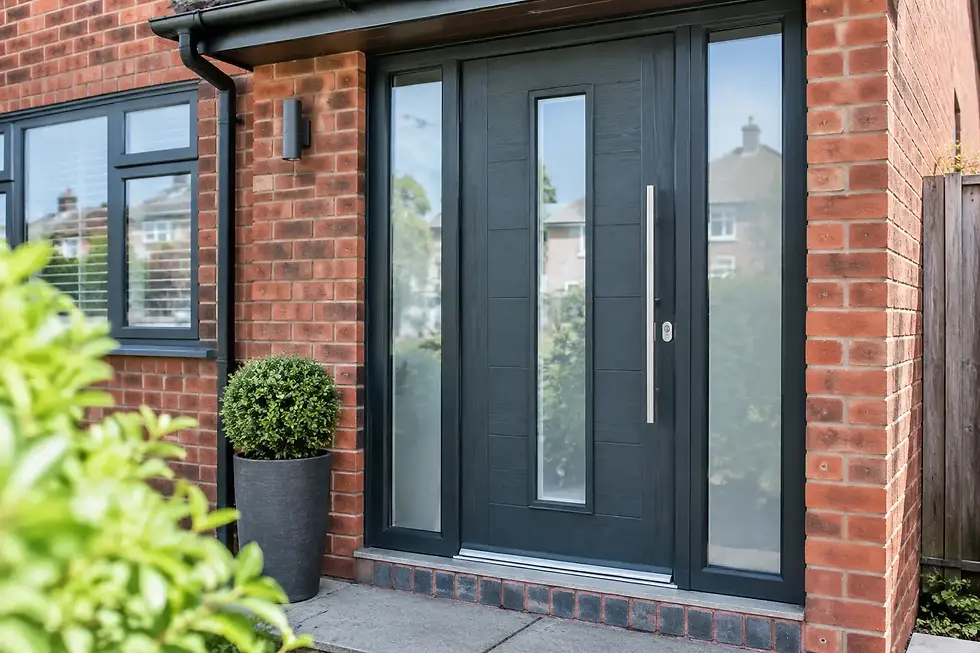
Decorative door glass can also be replaced where the appearance no longer suits the property. Many homeowners choose a fresh design when updating an entrance door, but the existing slab and frame may not always accept a new unit. Accurate measuring and an inspection of the bead, panel and door construction are needed before promising that replacement is possible.
Signs the whole door may need attention
Glass is not always the only problem. If you can see daylight around the door, feel cold air near the edges, struggle to lift the handle, or find the lock difficult to operate, ask for the whole door to be assessed at the same time. These problems can stem from worn hinges, poor adjustment, failed seals or movement in the frame.
A full replacement can be the better long-term choice where there is repeated condensation, extensive panel damage or a door that no longer locks securely. It can also make sense when you are planning wider improvements, such as replacing several windows or fitting a composite entrance door with better insulation and a different style.
There is no benefit in being pushed towards a new door when a new glazed unit will do the job. Equally, a low-cost glass-only repair is poor value if the door is close to failure. Honest advice starts with looking at the complete door, not just the visible fault.
What affects the cost of replacement door glazing?
There is no reliable one-price answer to door glass replacement. The size and shape of the opening matter, as does the type of glass required. A straightforward clear double-glazed unit will differ from toughened safety glass, obscure privacy glass, patterned or decorative designs, and units with integral blinds.
The condition and type of the door can affect the fitting work too. Some doors use removable glazing beads, while others have more complex panel systems or require specialist handling. A patio or French door may also need adjustment after the new unit is fitted to ensure it opens, closes and locks correctly.
For a clear quotation, an installer should measure the unit rather than estimate from a photograph alone. They should also establish whether the glass needs to meet safety requirements because of its position in the door. Transparent pricing means explaining what is included: surveying, the replacement unit, fitting, disposal of the old glass and any necessary adjustment.
Choosing the right glass for your door
The most suitable glazing should match how the door is used. On an entrance door, privacy may matter as much as light. Obscure glass can brighten a hallway while reducing the view into the home. On a garden-facing door, clear glass often makes the most of the garden and daylight, although tougher safety glazing is commonly needed in door locations.
Thermal performance is another consideration. A modern sealed unit can help reduce cold spots and heat loss compared with a failed or older unit. However, the overall benefit depends on the quality of the whole door and its seals. Replacing glazing will not correct major gaps around a poorly fitting frame.
For households with young children, pets or a busy garden, safety and durability deserve proper thought. Toughened glass is designed to break into smaller pieces if damaged, rather than large sharp shards. Laminated options may be appropriate in particular situations, but the right specification should be based on the door location and the existing system.
If you are considering integral blinds inside the glazing, bear in mind that they can provide neat light control without cords or external cleaning. They do add cost and are not suitable for every existing door, so an assessment before ordering is essential.
What professional fitting should involve
A good replacement begins with a careful survey. The installer checks the exact glass dimensions, thickness, spacer bar, glazing style and safety specification. This avoids common problems such as a unit that does not sit correctly, mismatched sightlines or a door that becomes difficult to operate afterwards.
On fitting day, the old glass is removed carefully and the frame is checked for damage, moisture or failed packers. The new unit is positioned correctly within the door so its weight is supported, then the beads and seals are refitted. The door should be opened, closed and locked before the work is signed off.
Avoid treating replacement glazing as a simple swap that anyone can do without experience. Door panels and glass units need to be secured correctly for safety, weather resistance and smooth operation. Poor fitting can lead to rattling, draughts, water ingress or strain on hinges and locks.
Repair, replacement or urgent help?
If the glass is misted but intact, you can usually arrange a survey and replacement at a convenient time. If the pane is cracked, the decision depends on the severity of damage and where it is located. A damaged pane beside a lock, in a main entrance door or at ground level deserves more urgent attention because it may compromise security.
Where glass has been smashed, keep people away from loose fragments and do not try to force the door if the frame or locking mechanism has been affected. A professional can assess whether temporary securing is needed before the permanent unit is manufactured and fitted.
It is also worth checking related issues while arranging the work. Condensation on the room-facing surface may be caused by indoor humidity rather than failed glazing. A door that sticks may need hinge adjustment rather than new glass. Knowing the difference helps you spend money on the right repair.
Local advice for Greater Manchester homes
Homes across Greater Manchester face wet weather, changing temperatures and plenty of daily use through front and back doors. That makes good seals, correctly fitted glass and secure locking especially worthwhile. Whether you are in Whitefield, Bury, Prestwich, Salford or nearby, a local survey gives you a clearer answer than a generic online estimate.
Whitefield Windows & Doors can inspect failed, broken or misted door glazing and explain whether replacement glass, a repair or a complete new door is the sensible route. As a CERTASS-registered, family-run installer, the team provides straightforward advice backed by 5-star customer reviews, full insurance, deposit protection and insurance-backed guarantees where applicable.
If your door glass is damaged, cloudy or no longer giving you the privacy and warmth you expect, request a free tailored quotation. A proper assessment will give you a clear, practical next step and help keep your home secure, comfortable and looking cared for.


Comments