

Secondary Glazing vs Double Glazing Compared

A cold bedroom above a busy road, condensation on the inside of the glass, or a period bay window you do not want to replace can make the choice feel urgent. When comparing secondary glazing vs double glazing, the right answer depends less on a single headline figure and more on your existing windows, your property’s character and what you most want to improve.
Both options can make a real difference to comfort, heat loss and outside noise. However, they work in different ways. Double glazing replaces the window itself, while secondary glazing adds another internal barrier behind the existing one. Understanding that distinction helps you spend wisely and avoid paying for a solution that does not suit your home.
What is the difference between secondary glazing and double glazing?
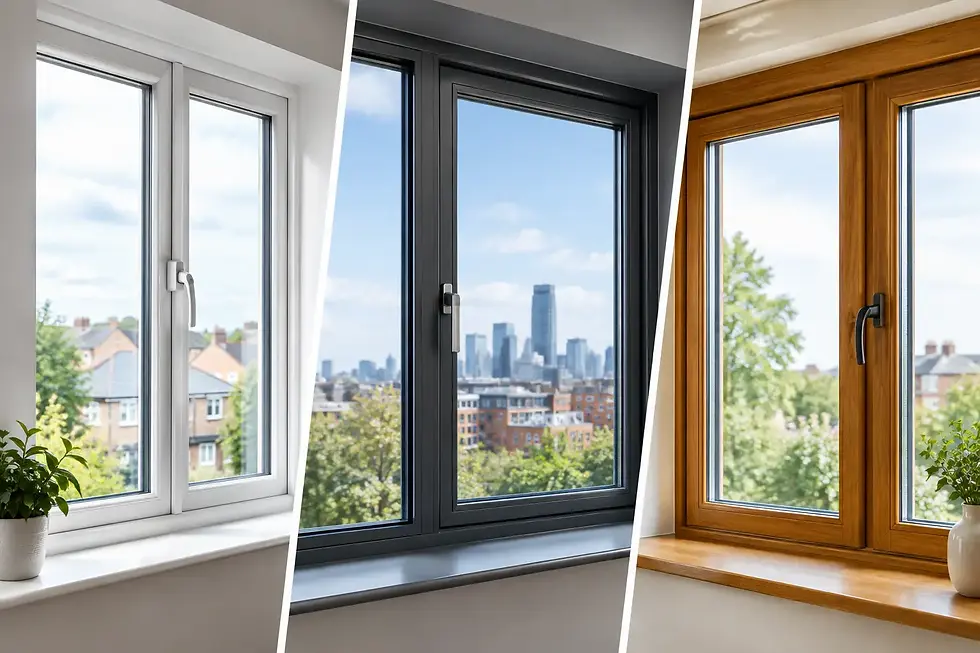
Double glazing is a replacement window unit made with two panes of glass separated by a sealed gap. That gap is usually filled with air or an insulating gas and forms part of a complete new frame and sash. Modern uPVC and aluminium double-glazed windows can offer strong thermal performance, reliable weather sealing, improved security and a fresh external appearance.
Secondary glazing is an additional glazed panel fitted to the inside of an existing window. It can be fixed, hinged, sliding or lift-out, depending on the window and how you need to use it. The original window remains in place, with a cavity between it and the secondary pane.
This means secondary glazing can preserve original timber frames, leaded glass or distinctive period details. It also means its final performance depends heavily on the condition of the existing window. A poorly fitting original sash, damaged timber or gaps around the frame should be addressed as part of the plan.
Secondary glazing vs double glazing for warmth
If your priority is reducing heat loss, both systems can help. Modern replacement double glazing generally provides a more complete upgrade because it combines insulated glass, new frames, weather seals and professional fitting. Where old single-glazed windows are draughty, replacing them can remove several sources of cold air at once.
Secondary glazing can also improve insulation considerably, particularly when there is a meaningful gap between the original glass and the new internal panel. It slows heat transfer and reduces the feeling of cold radiating from single glazing. For homes with retained original windows, it can be a practical way to improve comfort without losing the features that give the property its character.
There is no universal winner based on thermal performance alone. A high-quality replacement double-glazed window will often be the better long-term option where the existing frames are beyond repair or do not close properly. Secondary glazing may be the smarter route where original windows are sound and worth keeping, or where replacement is restricted by planning considerations.
It is also worth looking beyond the glass. Loft insulation, wall construction, ventilation and draught-proofing all affect how warm a room feels. Replacing windows can be an excellent investment, but it should form part of a sensible whole-house approach rather than carry every expectation on its own.
Which is better for traffic noise?
For properties near busy roads, railway lines or active neighbourhoods, noise reduction can be the deciding factor. Secondary glazing often performs exceptionally well here because the larger gap between the existing window and the internal panel disrupts sound waves more effectively than the narrow cavity in a standard double-glazed unit.
The result depends on the specification. Glass thickness, the size of the air gap and, crucially, airtight fitting all matter. An opening panel that does not seal properly will allow sound through, whatever glass is installed. In some situations, acoustic laminated glass may be recommended for an extra reduction in outside noise.
Double glazing still offers a worthwhile improvement over old single glazing, especially where replacement windows close securely and use quality seals. It is a strong choice for homeowners who want to address noise alongside energy efficiency, security and tired-looking frames. But where the main issue is heavy, persistent traffic noise and you need to retain existing windows, secondary glazing deserves serious consideration.
Appearance, planning and period properties
Replacement double glazing changes the look of a property, for better or worse depending on the design selected. Well-chosen flush sash uPVC or slim aluminium windows can complement many homes while providing modern performance. Poorly matched replacements, on the other hand, can undermine the proportions and character of an older property.
Secondary glazing is fitted internally, so it has little effect on kerb appeal. That makes it particularly useful in conservation areas, listed buildings and homes with decorative timber windows. It is not automatically permitted in every protected property, but it can be easier to accommodate than full replacement. Always check the requirements that apply to your home before committing to work.
From indoors, secondary glazing is visible. A carefully measured system can look neat and unobtrusive, but it will add a second frame within the window reveal. Some homeowners are happy with that trade-off for the quieter, warmer room it creates. Others prefer the clean finish of a complete replacement window.
Cost, maintenance and long-term value
Secondary glazing can cost less than replacing every window, particularly where the existing frames are in good condition. It can also be installed with less disruption because the original windows remain in place. This may make it a sensible phased improvement for landlords and homeowners working to a set budget.
However, lower upfront cost does not always mean lower overall cost. If old frames need frequent repairs, allow significant draughts or have rotten sections, investing in secondary glazing alone may postpone a necessary replacement. You should also consider access for cleaning. Depending on the style selected, cleaning between the two layers of glass can take more time.
Double glazing is usually a larger initial investment because it involves removing existing windows and fitting complete new units. In return, you receive new frames, locking systems, seals and glass in one package. High-quality installations can improve security, reduce maintenance and add value to the home, particularly where old windows are visibly worn or inefficient.
For either option, the quality of the survey and installation matters as much as the product. Accurate measurements, sensible advice on opening styles and a clear explanation of what is included help prevent disappointing results. Ask for transparent pricing, details of guarantees and a specification suited to the way you use each room.
When secondary glazing is the right choice
Secondary glazing is often the better fit when original timber windows are attractive, structurally sound and difficult or undesirable to replace. It is also a strong option for homeowners dealing with outside noise, particularly in bedrooms and front rooms facing main roads.
It can work well in period terraces around Greater Manchester, where traditional sash or bay windows are part of the property’s appeal. If the windows are draughty, basic repairs and draught-proofing alongside secondary glazing can produce a more convincing result than fitting the secondary unit over unresolved defects.
Choose a style that supports everyday use. Hinged units may suit windows that need regular access, while sliding or lift-out panels can be suitable where space is limited. Your installer should assess ventilation, cleaning access and fire-escape considerations rather than treating every window the same.
When replacement double glazing makes more sense
Double glazing is usually the practical choice when frames are failing, security is a concern or you want a full visual refresh. It is particularly effective for homes with ageing uPVC, aluminium or timber windows that no longer shut tightly, show signs of damage or collect condensation because of poor seals.
It also makes sense when you are renovating several parts of the property at once. New windows can be matched with replacement doors, conservatory upgrades or wider improvements to create a consistent finish and improve the building’s overall performance.
A modern double-glazed installation should not be chosen on price alone. Look for suitable energy ratings, secure locking, toughened safety glass where required and frames that complement the property. A tailored quotation should explain the options clearly, with no hidden costs or pressure to choose features you do not need.
The most useful next step is to assess each window honestly. Keep and enhance the features that make your home special, replace the parts that are no longer doing their job, and choose an installer who will explain the trade-offs plainly before any work begins.


Comments