
How to Improve Home Security Without Overspending

A home is often most vulnerable at the points we use every day: the front door rushed shut on the school run, an older window left on ventilation, or a side gate that has never had a proper lock. Knowing how to improve home security is less about turning your property into a fortress and more about making it difficult, noisy and time-consuming for an intruder to gain access.
For homeowners and landlords, the best approach is to work from the outside in. Start with the entrances and glazing that protect the building, then add sensible lighting, habits and technology around them. This gives you stronger day-to-day security without spending money on features that do not address the real weak points.
How to improve home security from the outside in
Most opportunistic break-ins rely on an easy route in, a poor-quality lock, an obscured area of the garden or an open window that can be reached quickly. A layered approach removes those easy opportunities. If one measure is bypassed, another still slows an intruder down or draws attention to what is happening.
Walk around your property during daylight and after dark. Look at it as somebody unfamiliar with the home would. Can they reach a rear door without being seen? Are wheelie bins, garden furniture or ladders positioned where they could help someone reach an upstairs window? Does a gate offer privacy but no real protection?
This simple check often reveals practical improvements that cost very little. Store ladders and tools in a locked shed or garage, keep side passages clear enough to see along, and make sure gates close securely. Good security begins with reducing opportunity.
Make external doors your first priority
Your front, rear and side doors are usually the most important places to invest. A strong door fitted with a weak cylinder, poorly aligned frame or worn hinges is only as secure as its weakest component. Equally, a good lock will not compensate for a door that flexes, has loose glazing or does not shut properly.
Composite doors are a popular choice for good reason. Their solid construction, reinforced frames and multi-point locking systems can offer a substantial upgrade over an ageing timber or uPVC door. Modern uPVC and aluminium doors can also provide excellent security when they are made to a high standard and professionally installed.
Pay close attention to the lock cylinder on any externally accessible door. Anti-snap cylinders are designed to resist a common forced-entry method, while a quality multi-point locking system secures the door at several points along the frame. If a key turns with difficulty, the handle feels loose or the door catches before locking, arrange an inspection rather than putting it off. Misalignment can affect both security and the lifespan of the locking mechanism.
Do not overlook rear and side doors. These are often less visible from the road and can be more attractive to an intruder. French doors, patio doors and bifold doors should have secure locking across the opening, toughened safety glass where required and frames installed squarely so every lock engages as intended.
Check the condition and security of your windows
Windows should bring light, ventilation and warmth into a home, not create an easy entry point. Older single-glazed units, warped timber frames and worn handles deserve attention, particularly at ground-floor level or where a flat roof, extension or garage gives access to upper floors.
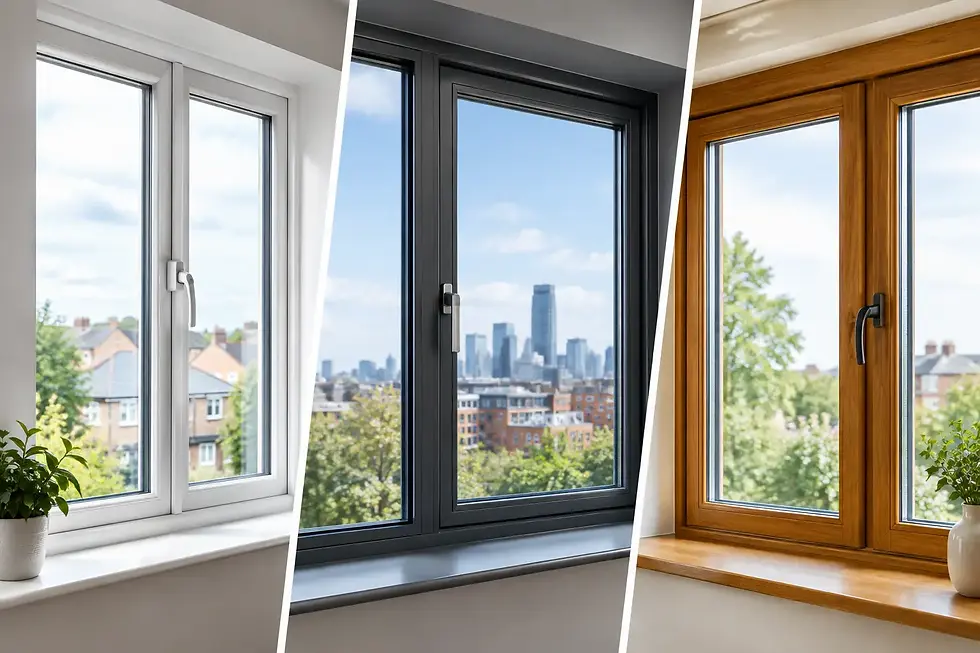
Modern double-glazed and triple-glazed windows can include internal beading, key-locking handles, reinforced frames and multi-point locking. Internal beading matters because it makes it far more difficult to remove the glass from outside. However, security is not simply a matter of choosing the most expensive specification. The right option depends on the style of your home, the condition of existing openings and how each room is used.
For example, ground-floor windows and windows near a side passage may benefit most from upgraded locks and toughened glass. Upstairs bedrooms may need lockable ventilation positions so the room can be aired without leaving a window wide open. A competent installer can assess the full window and frame, rather than treating a replacement handle as a complete solution.
It is also worth checking that keys are stored sensibly. Leaving them in window locks can be convenient, but it may create a risk if the key can be reached through a broken pane or open vent. Keep emergency escape needs in mind too. Security should never prevent occupants from leaving safely in the event of a fire.
Use lighting and visibility to discourage unwanted attention
A poorly lit entrance or concealed rear garden can give an intruder more confidence. Security lighting does not need to flood the entire property with harsh light, but it should make key approaches visible. Motion-activated lights near front and rear doors, side paths, garages and garden access points are often effective.
Position lights carefully to avoid shining into bedrooms, neighbouring homes or directly into a camera lens. Good lighting should help you see what is happening, not create glare or nuisance. Trim back overgrown hedges around doors and windows where possible, while retaining enough planting to preserve privacy.
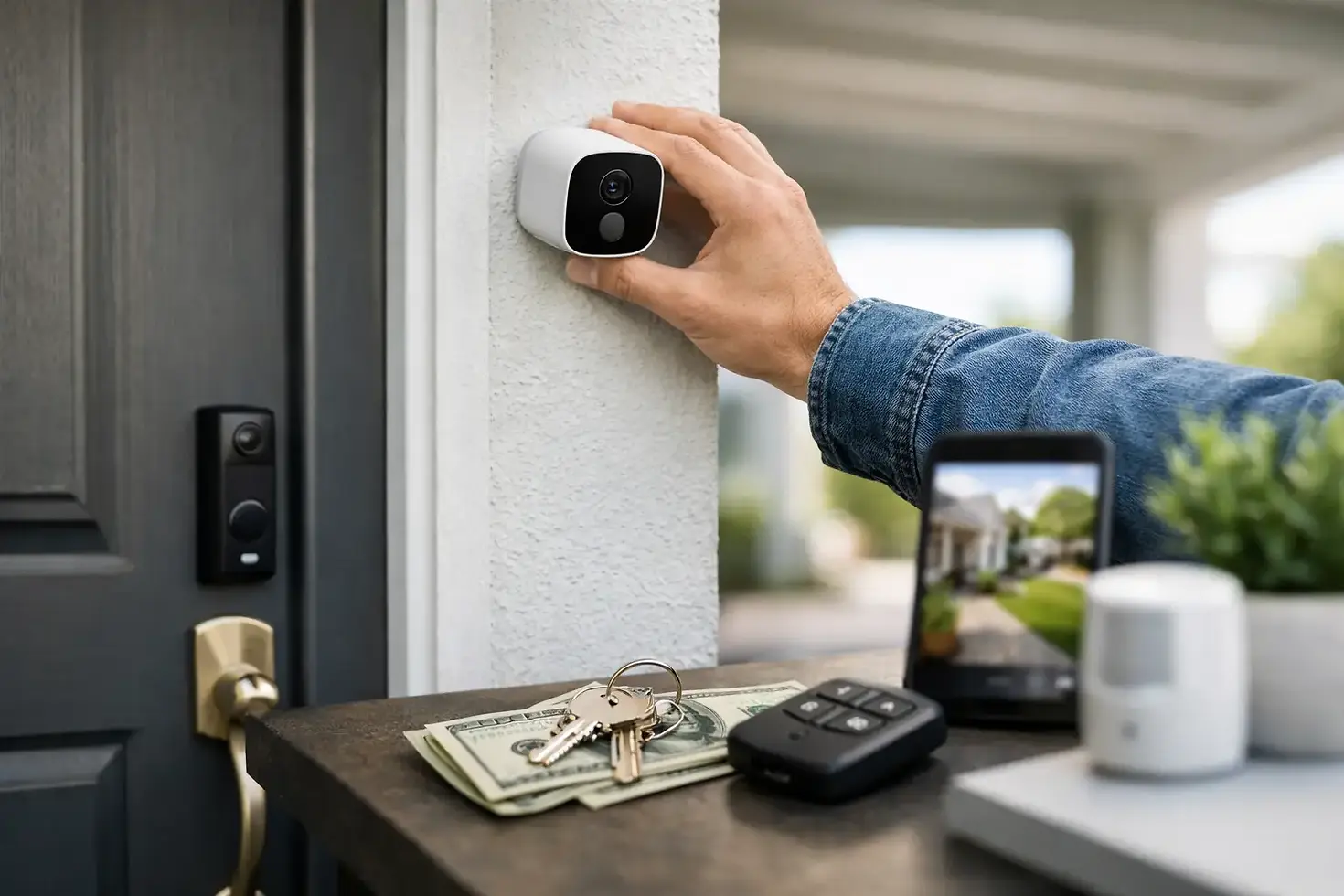
CCTV and video doorbells can provide reassurance and a useful record of activity, especially for homeowners who are away during the day. They work best as part of a wider plan, not as a substitute for secure doors and windows. A visible camera may deter some people, but a poorly secured rear door remains a problem whether a camera is present or not.
Build security into everyday routines
Many security improvements are free, but they only work when they become routine. Before leaving the house or going to bed, check accessible windows, lock external doors fully and put keys somewhere out of reach of letterboxes or glazing.
The following habits make a meaningful difference:
Lock doors even when you are in the garden or only stepping out briefly.
Avoid leaving packaging for expensive purchases in plain view after collection day.
Use timers for lights when the property will be empty in the evening.
Ask a trusted neighbour to remove post and keep an eye on the property during longer holidays.
Keep car keys away from external doors and consider a signal-blocking pouch for keyless vehicles.
For landlords, clear advice to tenants is equally valuable. Provide working window keys, explain how multi-point locks should be operated and deal promptly with damaged handles, loose hinges or failed double-glazed units. A well-maintained property is easier to secure and more reassuring to live in.
Do not forget garages, conservatories and outbuildings
A conservatory, attached garage or side extension may not be the main entrance to the home, but it can provide cover or a route towards more secure internal doors. Check that conservatory doors lock properly, roof panels and glazing are in sound condition, and any door connecting the conservatory to the house is treated as an external-quality security door.
Sheds and garages often contain tools that could be used to force entry elsewhere. Fit a solid lock, secure bikes and valuable equipment inside, and consider an alarm if the contents justify it. If you have a garage door leading directly into the house, the internal connecting door should be kept locked when not in use.
Choose professional fitting, not just secure products
Security products perform as well as they are fitted. A door or window may have excellent locks and reinforced components, but gaps around the frame, poor fixings or an incorrect adjustment can undermine the whole installation. This is why tailored advice and professional workmanship matter as much as the specification on a brochure.
When comparing quotations, ask what locking system, glass specification and frame reinforcement are included. Confirm whether old frames will be fully removed, how the opening will be made good and what guarantee covers the installation. Transparent pricing and clear answers are signs that an installer is focused on the finished result, not simply making a quick sale.
For properties across Greater Manchester, changing weather and varied housing styles can make a one-size-fits-all recommendation unhelpful. A Victorian terrace, a modern detached home and a converted flat may have very different security priorities. Whitefield Windows can assess doors, windows and glazing as part of the wider property, helping you choose improvements that suit your home and budget.
The most effective security upgrade is usually the one that deals with a genuine weakness before it becomes a problem. Start with the door or window you trust least, make sure it is properly fitted and locked, then build outward with sensible lighting and routines. That steady approach protects your home, your belongings and the people inside it without unnecessary expense.


Comments