
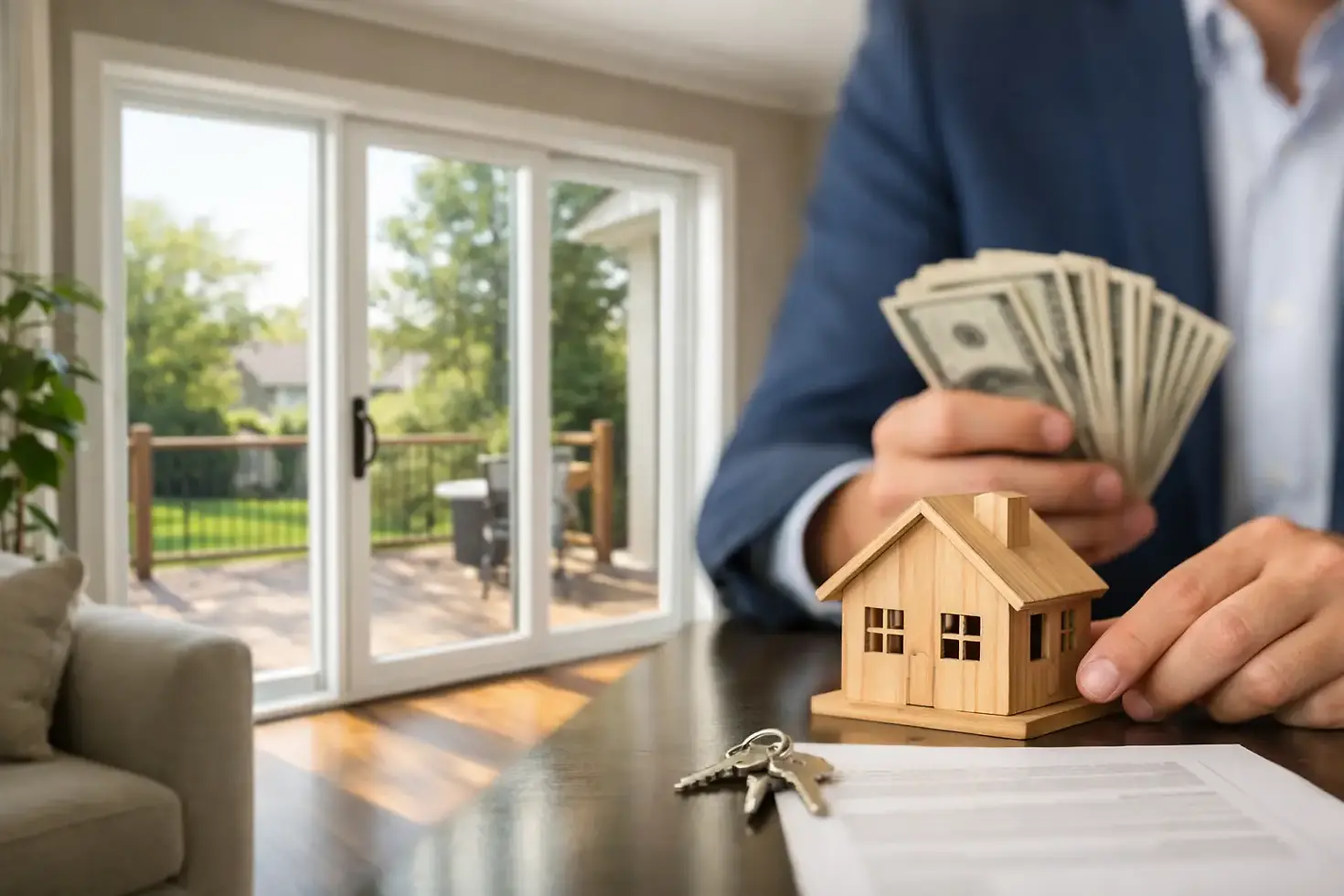
Do New Windows Add Value to My Home When Selling?

A misted double-glazed unit, draughts around the frame and windows that need a firm push to close can make an otherwise well-kept property feel tired. So, do new windows add value to my home? In many cases, yes - but the value is not simply a fixed amount added to the asking price. Quality replacement windows can make a home cheaper to run, safer, more attractive and easier for buyers to say yes to.
For homeowners in Greater Manchester, where wet weather, busy roads and cold winters all put glazing to the test, new windows are often a practical improvement as well as a cosmetic one. The strongest results come from choosing products that suit the property and ensuring they are fitted properly.
Do New Windows Add Value to My Home?
New windows can support a higher property value because they improve features that buyers notice quickly: kerb appeal, warmth, security and maintenance. They can also remove objections that might otherwise lead to lower offers or a delayed sale.
That does not mean every window replacement returns its full cost immediately. The result depends on the condition of the existing windows, the standard of the new installation, the type of property and the expectations of buyers in your local area. Replacing relatively recent, working double glazing with a premium alternative may be more about comfort and appearance than a dramatic uplift in valuation. Replacing ageing single glazing, failed sealed units or visibly deteriorated frames is a different proposition.
A valuer will consider the home as a whole, including location, size, layout, condition and comparable local sales. New windows are rarely the only reason a property is worth more. However, they can help present the home as well maintained and reduce the likelihood that a buyer will budget for immediate remedial work.
Why Buyers Place Value on Replacement Windows
Lower heat loss and better day-to-day comfort
Energy costs remain a real concern for homeowners and buyers alike. Modern double glazing, and in some cases triple glazing, can help reduce heat loss compared with older, poorly performing windows. Better frames, quality seals and suitable glazing specifications all contribute to a more comfortable room temperature.
The benefit is especially noticeable in homes with cold spots near windows, persistent draughts or condensation caused by inefficient glazing. A warmer home is appealing at a viewing, but it also gives buyers confidence that they will not be facing an expensive upgrade shortly after moving in.
Energy performance should be discussed honestly. Windows are only one part of a property's thermal performance, alongside insulation, ventilation, heating and the condition of external walls. They can make a meaningful difference, but they cannot compensate for every source of heat loss in an older house.
A stronger first impression
Windows occupy a large part of a property's frontage. Peeling frames, mismatched styles, cloudy panes and dated hardware can undermine kerb appeal before a buyer has stepped through the door. Clean-lined uPVC windows or slim, contemporary aluminium frames can give a home a more cared-for appearance.
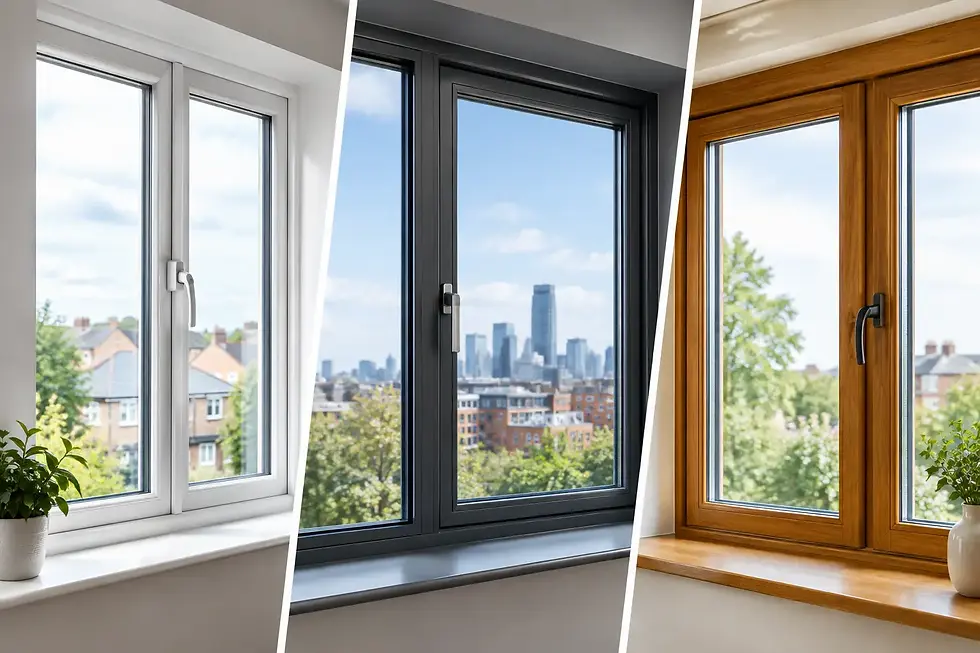
The right style matters. A modern grey window may suit a newer extension, while a more traditional profile, colour or glazing-bar design may be a better fit for a period home. The aim is not to follow a passing trend at any cost. It is to choose windows that look appropriate to the building and will continue to appeal in years to come.
Security that feels current
Home security is a major consideration, particularly for ground-floor windows, rear elevations and accessible side windows. Older windows may have worn locking mechanisms, weak handles or frames that no longer close tightly. Modern replacement windows are designed with more secure locking options and toughened glass where appropriate.
Buyers may not inspect every lock in detail during a viewing, but they do notice whether windows shut firmly and look secure. That sense of reassurance adds to the overall quality of the home. It can be particularly valuable for first-time buyers who want fewer immediate jobs to take on.
Less maintenance and fewer visible problems
Well-made uPVC and aluminium windows offer a lower-maintenance alternative to deteriorating timber or outdated frames. They do not remove the need for cleaning, checking hinges and maintaining moving parts, but they can reduce the regular painting and repair work associated with neglected older windows.
Replacement glazing can also resolve common issues such as failed units, internal condensation between panes and damaged glass. If the existing frames remain sound, replacing the glazing alone may be the most sensible solution. A reputable installer should assess the condition rather than recommend a full replacement where it is not needed.
The Installation Quality Makes the Difference
A high-performing window fitted poorly will not deliver the comfort, appearance or peace of mind a homeowner expects. Gaps, poor finishing, incorrect drainage and misaligned openings can cause draughts, water ingress and operational problems. These issues can quickly cancel out the perceived benefit of the upgrade.
Professional installation also matters when the property comes to market. Keep the paperwork for the work, including the relevant compliance documentation and guarantee details. Buyers and their solicitors often want evidence that replacement windows were installed correctly. Having it ready can prevent unnecessary questions later in the sale process.
This is why price should not be the only deciding factor. A transparent quotation should explain the window style, glazing specification, hardware, finish, installation scope and any making-good work. It gives you a clear basis for comparing like with like, with no hidden costs added after the work has started.
When New Windows Are Most Likely to Pay Off
Replacement windows tend to make the biggest difference when the current ones are visibly or functionally below standard. Signs include draughts, condensation between panes, rotten or warped frames, difficulty opening and closing windows, outside noise, damaged locks and noticeable cold near the glass.
They can also be worthwhile before selling if the rest of the home is presented well and the windows are one of the last obvious weak points. A buyer may accept an older kitchen or bathroom if it is reflected in the price, but neglected windows can suggest wider maintenance concerns. Fresh, well-fitted windows help the property feel ready to move into.
For landlords, upgraded windows may support tenant comfort, reduce complaints about draughts and improve the presentation of a rental property. The decision should still be based on the building's needs and rental market, rather than expecting a guaranteed increase in rent.
Situations Where You Should Think Carefully
If your existing double glazing is in good order, replacing it solely to increase resale value may not be the best use of your budget. Decorating, repairing obvious defects, improving insulation or updating a tired front door could have a greater effect on buyer interest depending on the property.
Homes in conservation areas, listed buildings or areas with specific planning controls may also need additional care. The appearance and material of replacement windows can be restricted, so it is wise to check requirements before ordering. Choosing an unsuitable style could create avoidable cost and complications.
It is also worth avoiding an overly personalised choice if a sale is likely soon. Bright colours and unusual designs can work beautifully when they suit your own home, but neutral, well-proportioned windows generally have broader appeal.
Choosing Windows That Protect Long-Term Value
Start with the problems you want to solve. If street noise is the issue, discuss acoustic glazing options. If rooms feel cold, focus on thermal performance, frame quality and airtight fitting. If security is the priority, ask about locks, hinges and suitable glazing for vulnerable areas.
Then consider the property as a whole. Matching the style, sightlines and finish to the house creates a more convincing result than selecting a product in isolation. For larger projects, replacing windows alongside a new composite door, patio door or conservatory upgrade can give the exterior a consistent, higher-quality finish.
At Whitefield Windows, we believe homeowners should receive honest advice based on their property, budget and plans - not pressure to buy more than they need. A tailored survey can identify whether full replacement, glazing replacement or a different improvement would offer the better return.
If you are planning to sell, think of new windows as part of making the home easy to trust. Choose a style that belongs on the property, insist on professional fitting and keep the paperwork safe. The result may not be a simple pound-for-pound calculation, but it can help your home feel warmer, safer and more desirable when it matters most.


Comments