
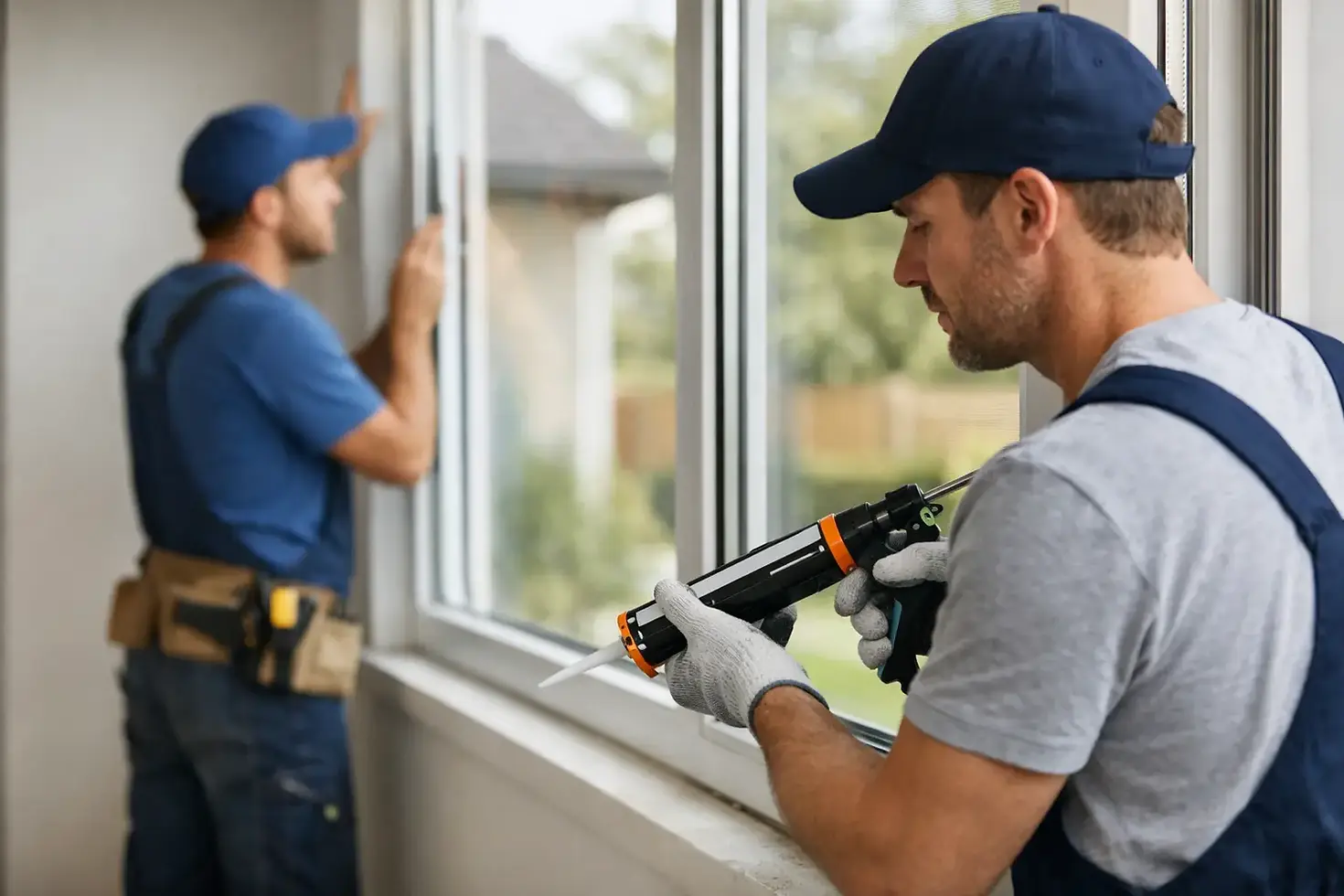
What Quality Window Installation Should Include

A new window can look excellent on the day it is fitted and still disappoint a year later if the installation behind it is poor. Draughts around the frame, difficult opening, damaged plasterwork and misting glass are not simply product problems. They are often signs that the window installation was rushed, poorly surveyed or finished without enough care.
For homeowners across Greater Manchester, replacing windows is usually about more than changing the appearance of a property. It is a chance to reduce heat loss, improve security, cut outside noise and make rooms more comfortable through every season. Getting those benefits depends on choosing suitable windows and ensuring they are measured, fitted and finished properly.
Window installation starts with a proper survey
The best fitting work begins before an order is placed. A detailed survey confirms the exact opening sizes, checks whether existing frames are square and assesses the condition of surrounding brickwork, render and internal reveals. Older homes can have openings that have moved slightly over time, while extensions and newer builds may have different cavity, insulation or ventilation requirements.
A survey should also cover how each window will be used. A bedroom window may need to provide a safe escape route. A bathroom may need privacy glass and effective ventilation. A ground-floor bay needs strong security as well as a design that suits the front of the house. These details affect the specification, not just the final price.
This is why a quotation based only on rough measurements or photographs should be treated carefully. It can be useful as an early indication, but a tailored final quote should follow a proper site visit. Honest advice at this stage prevents avoidable changes, delays and unexpected costs later.
Choosing windows that suit the property
There is no single right frame material or glazing option for every home. The most suitable choice depends on the building, budget, style preferences and what you want the new windows to achieve.
uPVC windows remain a popular choice because they offer strong thermal performance, low maintenance and a wide range of colours and finishes. They work well for many homes, from practical rental properties to family houses being upgraded for the long term. Aluminium windows can provide slimmer sightlines and a more contemporary feel, particularly where larger glazed areas are wanted. They are often considered for modern extensions, feature windows and light commercial premises.
Glazing matters just as much as the frame. Quality double glazing can make a substantial difference to comfort compared with older single-glazed or failed units. Triple glazing may offer improved thermal performance in the right setting, but it is not automatically the best answer for every property. The extra weight, cost and frame specification should be considered alongside the likely benefit.
In busy parts of Manchester, Bury, Salford or Bolton, acoustic performance can be a major factor. The right glass specification and installation method can help reduce traffic and neighbourhood noise, although no window can remove every sound. A reputable installer should explain what is realistic for your location rather than making promises that the product cannot meet.
What happens during professional window installation?
On fitting day, the team should protect the work area, remove each old window carefully and inspect the opening before the new frame goes in. The aim is not simply to make the new window fit. It must be positioned correctly, securely fixed and checked for level, plumb and square operation.
Packers are used where needed to support the frame without distorting it. Appropriate mechanical fixings secure the window into the structure. This matters because a frame that is forced into an uneven opening can lead to sticking sashes, gaps, poor locking and premature wear.
The joint between the frame and the building also needs careful attention. It should be insulated and sealed in a way that limits draughts and water ingress while allowing the window to perform as intended. External finishes need to be neat and weatherproof. Internally, trims or making-good work should leave the room tidy rather than creating an unnecessary decorating job.
A good installer will check each sash, handle, hinge and lock before leaving. Casement windows should open and close smoothly. Tilt-and-turn windows should move correctly in both positions. Fire-escape hinges, trickle vents and restrictors should be fitted where specified. These checks may sound basic, but they are the difference between a completed job and a properly handed-over installation.
Ventilation should not be overlooked
Modern replacement windows can make a home noticeably more airtight. That is helpful for retaining heat, but a house still needs controlled airflow to manage moisture from cooking, showering and everyday living. Depending on the property and applicable building requirements, trickle vents may be needed.
Some homeowners are understandably concerned that vents will let in cold air or noise. The answer is not to ignore ventilation. It is to discuss the available options, placement and glazing specification during the survey. Condensation has several causes, including humidity, heating patterns and insulation, so it should be assessed sensibly rather than blamed on one feature alone.
Security is built into the whole fitting
Secure windows are about more than a lockable handle. Strong frames, reliable locking points, toughened glass where appropriate and correct fixing all work together. A high-quality window with poor installation can still be vulnerable if the frame is not properly anchored or the surrounding opening is left weak.
For ground-floor windows, accessible side elevations and properties with doors or large glazed panels nearby, it is worth discussing security in practical terms. The aim is to specify products that suit the risk and provide daily peace of mind without making the home feel over-engineered. A clear explanation of the locks, glass and hardware is more useful than vague claims about security.
The finish around the window matters
Homeowners often focus on the new frame and glass, then only notice the surrounding finish when it is not right. External silicone should be clean and consistent, with no obvious gaps. Brickwork, render, tile features and bay details need to be respected. Internally, reveals should look neat and the windowboard should be fitted securely where it has been replaced or renewed.
There can be limits, particularly in older properties where removing a frame exposes hidden defects or fragile finishes. A professional installer should point out these possibilities in advance and explain how they will be handled. Clear communication is far better than discovering a problem after the old windows have been removed.
Waste removal is also part of a considerate service. Old frames, glass and packaging should be taken away, and the areas worked in should be left clean and safe. A fitting team does not need to make a home look untouched during a building project, but they should treat it with respect.
Questions worth asking before you commit
A window replacement is a significant investment, so it is reasonable to ask direct questions. Find out who will carry out the survey and installation, whether the quote includes removal and disposal, and what happens if the opening needs additional work. Confirm the proposed glass, frame colour, hardware and ventilation details in writing.
It is also sensible to ask about insurance, deposit protection and the guarantee that comes with the work. An insurance-backed guarantee and clear paperwork provide reassurance should the unexpected happen. Five-star feedback can be useful too, especially when it refers to communication, workmanship and aftercare rather than price alone.
Be cautious of high-pressure discounts that depend on signing immediately. A reliable local installer should give you the information needed to compare options and make a decision in your own time. The cheapest quote can become expensive if it excludes essential finishing work, uses a weaker specification or leaves no dependable route for aftercare.
Looking after newly fitted windows
Once installed, modern windows need relatively little attention, but a small amount of care helps them stay in good condition. Clean frames with mild soapy water, keep drainage channels clear and avoid abrasive products that could damage the finish. Check that hinges and moving parts operate freely, and report any concerns early while they can be addressed simply.
Good window installation should feel straightforward once the work is complete. Your rooms should be warmer, quieter and more secure, with windows that suit the character of the property and work properly every day. Choosing a family-run specialist such as Whitefield Windows means you can expect a tailored recommendation, transparent pricing and fitting work carried out with the care your home deserves.


Comments